

 See My Latest Article on HelloNation
Dental implant recovery is usually easier when the surgical area is protected from pressure, heat, sharp food particles, and irritation. For most people, that means choosing soft, cool-to-warm foods at first and temporarily avoiding anything hard, crunchy, sticky, spicy, or difficult to chew.
The exact diet depends on whether the implant was placed alone, combined with a tooth extraction or bone graft, or followed by placement of a temporary or permanent crown. Written instructions from the treating dental team should take priority because healing timelines vary.
Which foods should be avoided immediately after implant surgery?
For the first several days, avoid foods that can disturb the surgical site or require forceful chewing. Common examples include:
- Nuts, popcorn, chips, pretzels, and hard crackers
- Raw carrots, celery, apples, and other firm produce
- Tough meats, jerky, crusty bread, and chewy pizza crust
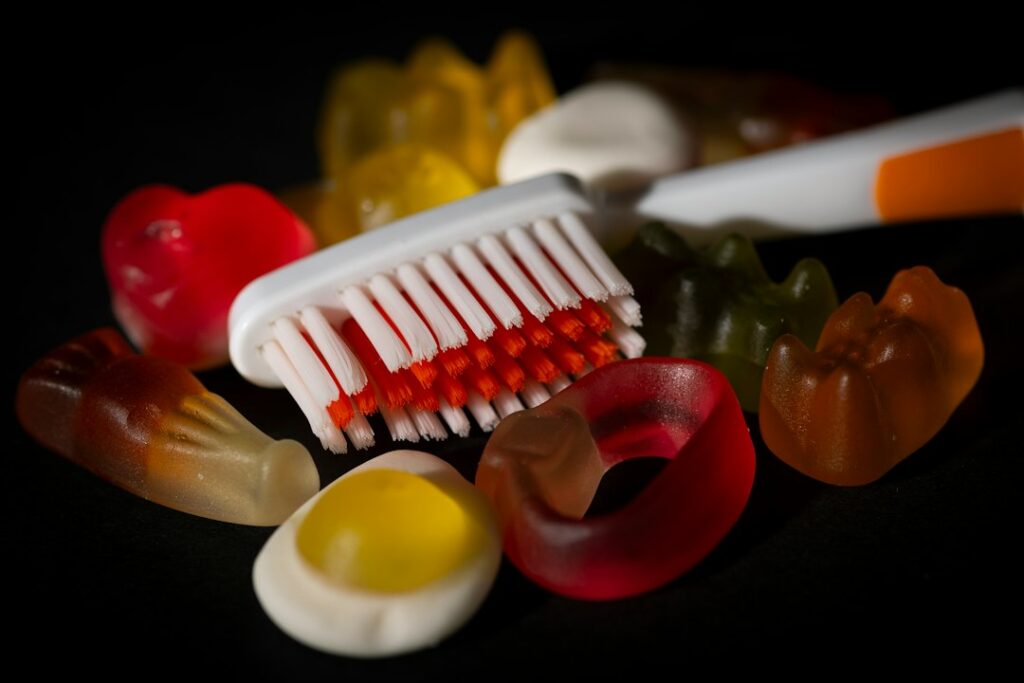
- Sticky candy, caramel, chewing gum, and gummy snacks
- Foods with small particles, such as seeded breads, quinoa, and some berry varieties
- Very spicy foods that may sting the incision
- Extremely hot foods and beverages
- Alcohol, unless the treating clinician confirms that it is safe with prescribed medications and healing needs
Hard or crunchy foods can place pressure on the implant area. Small fragments may also lodge around sutures or beneath a temporary restoration. Hot foods can be particularly uncomfortable while the mouth is numb and may contribute to irritation or accidental burns.
Why are hard and crunchy foods a problem?
A newly placed implant needs time for the surrounding bone and gum tissue to heal. Biting directly on a hard food can cause pain, irritate the incision, or place unnecessary force on a temporary tooth or healing component.
This does not mean an implant is permanently fragile. The restriction is mainly about protecting the area during early healing, before the implant has fully integrated with the jawbone. A person may feel well before the underlying tissue is ready for normal chewing.
Avoid testing the area by biting down on a crust, nut, or other firm food. Lack of pain does not necessarily mean the implant is ready for full chewing pressure.
Are hot drinks safe after dental implant placement?
Hot coffee, tea, soup, and similar foods are usually best avoided during the first part of recovery, especially while numbness remains. Heat may increase discomfort, and numb tissue makes it easier to burn the lips, tongue, or inside of the cheek without noticing.
Allow foods and beverages to cool to a comfortable temperature. This is especially practical during cold-weather months in Blacksburg, when hot drinks may be a regular part of the daily routine. Warm, rather than steaming-hot, beverages are generally easier on healing tissues.
Follow any specific instructions about using straws. Suction can be discouraged after procedures involving extraction or other oral wounds because it may interfere with the developing blood clot.
What foods are usually easier to eat?
Soft foods that require little or no chewing are often more comfortable during the first few days. Suitable options may include:
- Smooth yogurt without seeds or crunchy toppings
- Applesauce, pudding, and cottage cheese
- Mashed potatoes or other soft cooked vegetables
- Scrambled eggs
- Oatmeal that has cooled to a safe temperature
- Smooth soups without hard pieces
- Soft pasta
- Tender fish or finely shredded meat, when chewing is comfortable
- Smoothies eaten with a spoon if a straw is discouraged

Choose foods that provide protein and calories without requiring pressure near the implant. Avoid adding nuts, granola, raw vegetables, seeds, or hard toppings until the area is ready for them.
If chewing is necessary, use the side of the mouth away from the surgical site when the treating dental team permits it. Do not chew directly over the implant unless specific instructions say that it is safe.
How long should these food restrictions last?
Many people follow a soft-food diet for several days, but the appropriate duration can range from a short period to several weeks. The timeline may be longer when implant placement is combined with bone grafting, multiple extractions, sinus-related procedures, or extensive gum surgery.
A temporary crown may also require special precautions. Even if it looks and feels like a natural tooth, it may not be designed for the same biting forces as the final restoration. Avoid using a temporary tooth to crack shells, chew ice, open packaging, or bite hard foods.
The transition back to a regular diet should be gradual. Start with soft foods, then try foods that require light chewing. If a food causes pressure, throbbing, bleeding, or persistent soreness, stop eating it and return to softer choices until further guidance is available.
Should acidic, spicy, or sugary foods be avoided?
Acidic foods such as citrus, tomatoes, and vinegar-based dishes may cause stinging around a fresh incision. Spicy foods can have a similar effect. They do not necessarily damage the implant itself, but discomfort can make eating and oral hygiene more difficult.
Sugary foods are not always forbidden, but frequent sugary snacks can make plaque control harder during a period when brushing near the surgical area may be limited. If sweet foods are eaten, choose soft options and follow the prescribed cleaning instructions carefully.
Do not rinse forcefully or scrub directly over the surgical site unless instructed to do so. Gentle cleaning is usually preferred, particularly during the first day or two.
Can smoking or alcohol affect food-related recovery?
Smoking, vaping, and tobacco use can interfere with healing and increase the risk of complications. They also expose healing tissues to heat and irritating chemicals. Avoiding tobacco during recovery is strongly advisable, and the treating dental team may recommend a longer period of abstinence.
Alcohol may interact with pain medicines, antibiotics, or sedatives. It can also irritate healing tissues and contribute to dehydration. Avoid it until medication instructions and postoperative guidance clearly permit its use.
What should residents watch for during recovery?
Some tenderness, swelling, mild bruising, and sensitivity are common after implant surgery. Symptoms should generally improve rather than steadily worsen.
Seek prompt dental guidance if there is increasing pain after initial improvement, uncontrolled bleeding, fever, pus, a persistent bad taste, worsening swelling, difficulty swallowing, or a feeling that the implant or temporary tooth is moving. These symptoms should not be managed by changing foods alone.
For people recovering at home, planning several soft meals in advance can make the first days easier. Keeping cool or room-temperature foods available, avoiding strenuous chewing, and following the specific written instructions provided after surgery are practical ways to protect the healing area.