

 See My Latest Article on HelloNation
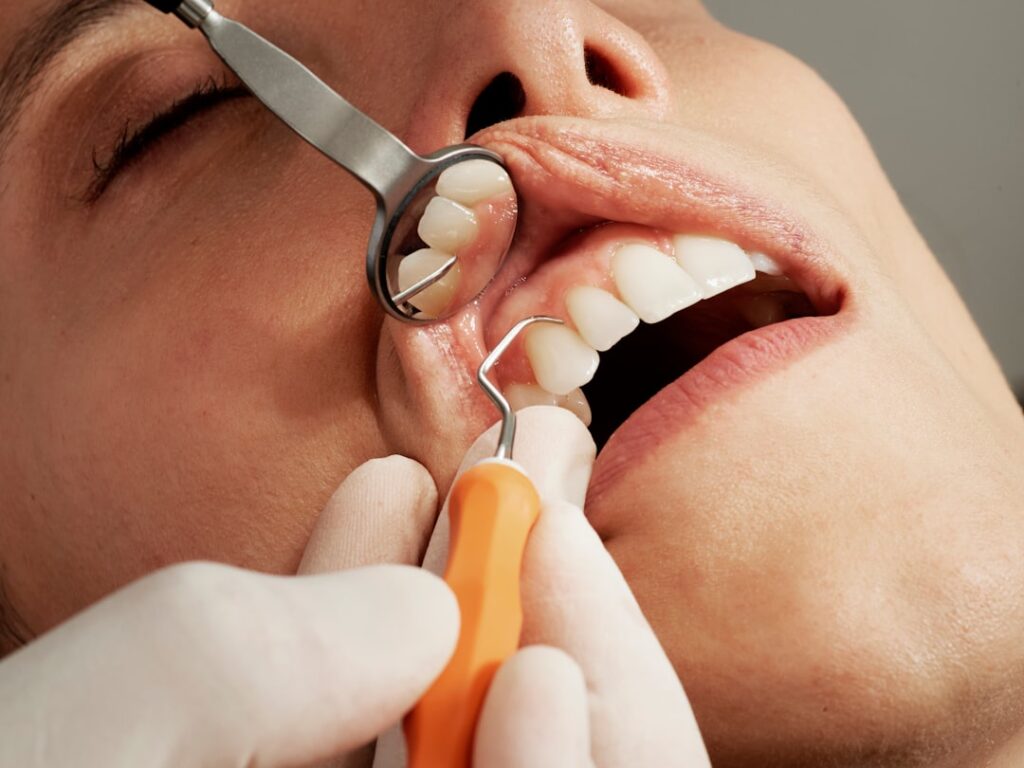
What Do Dental Implants Need to Stay Healthy?
Dental implants require the same daily care and regular attention as natural teeth, with a few extra considerations. Implants themselves are not at risk for cavities, but the surrounding gum and bone tissue can still become inflamed or infected if not properly maintained. In the relatively humid and seasonal climate of Blacksburg, diligence matters year-round to keep both implants and natural teeth in good shape.
How Should Residents Clean Dental Implants at Home?
Brushing and flossing remain the foundation. Use a soft-bristled toothbrush (manual or electric) and non-abrasive toothpaste to gently clean all sides of your implants, crowns, and nearby teeth. It’s important to brush twice daily, just as you would natural teeth.
Flossing is equally important, especially between the implant and neighboring teeth. Specialized implant floss, threaders, or small interdental brushes can help remove food particles and plaque from hard-to-reach areas. Rinse with a mouthwash that doesn’t contain alcohol to avoid drying out the oral tissues.
- Brush at least two times per day
- Floss or use an interdental brush once daily
- Rinse after meals if unable to brush
- Avoid harsh toothpaste or overly stiff brushes that may scratch the crown surface
Are There Special Tools or Products Needed for Dental Implants?
Most residents can maintain implants with standard tools used for regular oral care. However, those with tight spaces around their implants may find additional products useful, especially during Blacksburg’s allergy season, when sinus issues can increase mouth breathing and dryness.
Options include:
- Low-abrasion toothpaste to prevent damage to the implant restoration
- Floss threaders or super-floss for access under fixed bridges or bars
- Water flossers can help, but they should not replace traditional flossing unless dexterity is an issue
Check product labels for “implant safe” indications, and avoid whitening pastes that contain abrasive agents.
What Foods or Habits Should Be Avoided with Dental Implants?
Dental implants are durable, but some precautions help them last. Avoid biting directly on hard substances like ice, especially in winter, when cold temperatures may make crowns more brittle. Sticky candies, overly hard snacks, or chewing pens and fingernails can all put stress on the implant crown.
Blacksburg’s active lifestyle can involve sports or outdoor activities—in these cases, use a mouthguard if there is risk of facial impact to protect both implants and natural teeth.
- Limit hard, crunchy, or sticky foods
- Avoid using teeth as tools to open packages
- Consider a mouthguard for recreational and intramural sports
How Often Should Dental Implants Be Checked by a Dentist?
Dental implants should still be examined regularly, even if there is no discomfort. Local recommendations in Blacksburg generally suggest a professional check-up and cleaning every six months. At these visits, a dental professional will:

- Check the implant, bone, and gum tissue for health
- Clean around the restoration using special instruments
- Take periodic X-rays to monitor bone levels
Some residents mistakenly believe that an implant cannot develop problems because it is not a natural tooth. In reality, peri-implantitis—a type of inflammation—can lead to bone loss if not detected early. Staying on schedule with exams is essential for prevention.
Is Bleeding or Sensitivity Around an Implant Normal?
Mild sensitivity can sometimes occur after professional cleanings or minor injury, but persistent bleeding or tenderness is not considered normal. Healthy gums should not bleed when brushing or flossing. If you notice bleeding, swelling, or gum discoloration near your implant, it may be a sign of gum disease or peri-implantitis.
While brief, mild tenderness may follow a recent placement, report continued symptoms to your dental provider as soon as possible for evaluation.
Can Seasonal Allergies or Weather in Blacksburg Affect Implant Care?
Blacksburg experiences a range of weather conditions through the year, which can indirectly affect oral health. Allergy season may increase mouth breathing, causing dry mouth that promotes plaque buildup. In winter, indoor heat systems can further dry the mouth, and hot drinks may increase the risk of burns or irritation around implants.
- Drink plenty of water to offset mouth dryness
- Use a humidifier indoors during heating season
- Pay extra attention to oral hygiene when congestion is present
What Are Common Mistakes Locals Make With Dental Implants?
Some area residents believe their implant does not require as much care as a natural tooth and may skip flossing or regular cleanings. Others might use whitening kits or abrasive scrubs hoping to polish their crown, risking surface damage instead. It is common in the community to overlook the role of gum health in the long-term stability of an implant.
Focusing on consistent, gentle cleaning—even when implants feel trouble-free—and treating gum tissue around them with the same attention as natural teeth are critical steps for lasting success.