

 See My Latest Article on HelloNation
How Long Do Dental Implants Last?
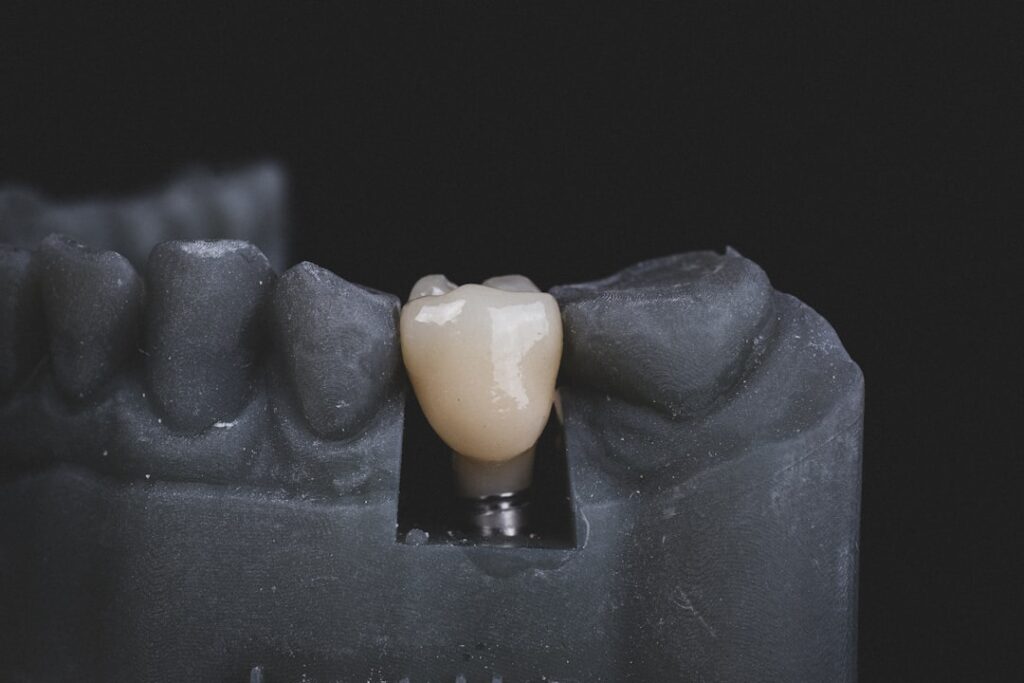
Dental implants can last decades with proper care, and many people in Blacksburg experience success with them for 20 years or longer. The titanium post, which replaces the tooth root, is designed to be a permanent solution. However, the artificial crown attached to the implant may require replacement after about 10–15 years due to normal wear.
People in the area should understand that an implant’s actual lifespan is influenced not just by materials but also by individual habits and local lifestyle factors.
What Factors Affect How Long Implants Last in This Community?
Several elements play a role in how long dental implants last for local residents. Key factors include:
- Oral Hygiene: Consistent brushing, flossing, and professional dental cleanings are essential. Area households equipped with basic dental care supplies and access to local dental checkups help maximize implant lifespan.
- Diet: While most food types are safe, frequently biting hard foods like ice or hard candies can strain the crown.
- Bone Health: Good bone density improves implant success. Some Blackburg residents may see changes in bone due to aging or medical issues, affecting long-term stability.
- Health Conditions: Local rates of diabetes, osteoporosis, or autoimmune conditions can affect gum and bone health, sometimes shortening implant life.
- Tobacco Use: Smoking increases the risk of gum disease and implant failure.
- Night Grinding: Unconscious grinding, especially during stress or during colder winter nights, can wear down dental materials.
Neighborhood routines and the city's emphasis on walkability may also mean that people spend more time outdoors, requiring extra attention to oral hydration and regular oral health checks.
Are Implants Truly Permanent or Will They Need Replacing?
The metal post fused to the jaw is typically intended to last a lifetime. Once fully integrated with the jawbone, it rarely fails unless there’s an injury, untreated gum disease, or significant changes in health.
The visible part—the crown—does wear out eventually. In the experience of many area households, replacement crowns become necessary after a decade or two. This is due to chewing forces, natural changes in bite, and everyday exposure to food and beverages.
If cared for like natural teeth, and if no injury or serious gum disease occurs, most well-placed implants can be expected to support chewing and appearance reliably for decades.
What Can Cause an Implant to Fail or Wear Out Early?
Clear answers on failure are helpful for those considering implants:
- Gum Disease (Peri-Implantitis): This gum infection is a top reason for implant issues and is more likely if plaque is not managed well.
- Accidents and Falls: Slippery winter sidewalks or local sports can sometimes lead to injuries that affect both teeth and implants.
- Chronic Conditions: Medical issues that lower your immune system or reduce bone quality increase chances of implant problems.
- Improper Placement or Bite Alignment: If a crown doesn't fit together with neighboring teeth properly, it can wear out fast.
Many failures come down to habits, underlying health, or preventable accidents rather than any flaw in the implant itself.
What Does Care for Long-Lasting Implants Look Like Locally?
Residents in the city benefit most by treating implants much like natural teeth:
- Brush twice daily with fluoride toothpaste.
- Floss gently around implant crowns.
- Schedule regular dental checkups—routine dental care is widely accessible.
- Mouthguards help protect implants if you grind your teeth or play contact sports, which is common for many active people living in the area.
- Hydrate well, especially during drier winter months, to keep gums healthy.

By staying consistent with these habits, area residents often see implants lasting many years beyond the national average.
Misconceptions About Implant Longevity
A common misunderstanding is that implants are "set and forget." Even with the best technology, all forms of tooth replacement need upkeep. Some also believe that age automatically reduces implant durability. In reality, many older adults in the community maintain healthy implants as long as their general health permits.
Another false belief is that dental implants never need replacement. While the titanium base is built for permanence, the crown will likely require maintenance or replacement as part of normal aging.
What Should Local Residents Watch For Over Time?
Even well-cared-for implants deserve occasional attention outside regular cleanings. Pay attention to:
- Any shifting of the implant or crown, especially after a fall
- Gum redness, swelling, or bleeding in the area
- Unusual sensitivity or pain near implants
If these warning signs are noticed, early evaluation can often resolve issues before they jeopardize the entire implant.
Summary: Is an Implant a Good Long-term Solution for Area Households?
Dental implants function as a highly durable solution for missing teeth, consistently lasting two or more decades when cared for as part of a healthy lifestyle. The metal implant usually does not need to be replaced; however, the crown may require new fabrication over time.
Everyday habits, general health, and regular checkups remain the most important aspects for local residents hoping for lasting results. In almost every case, clear guidance and consistent routines offer Blacksburg households peace of mind for years to come.