

 See My Latest Article on HelloNation
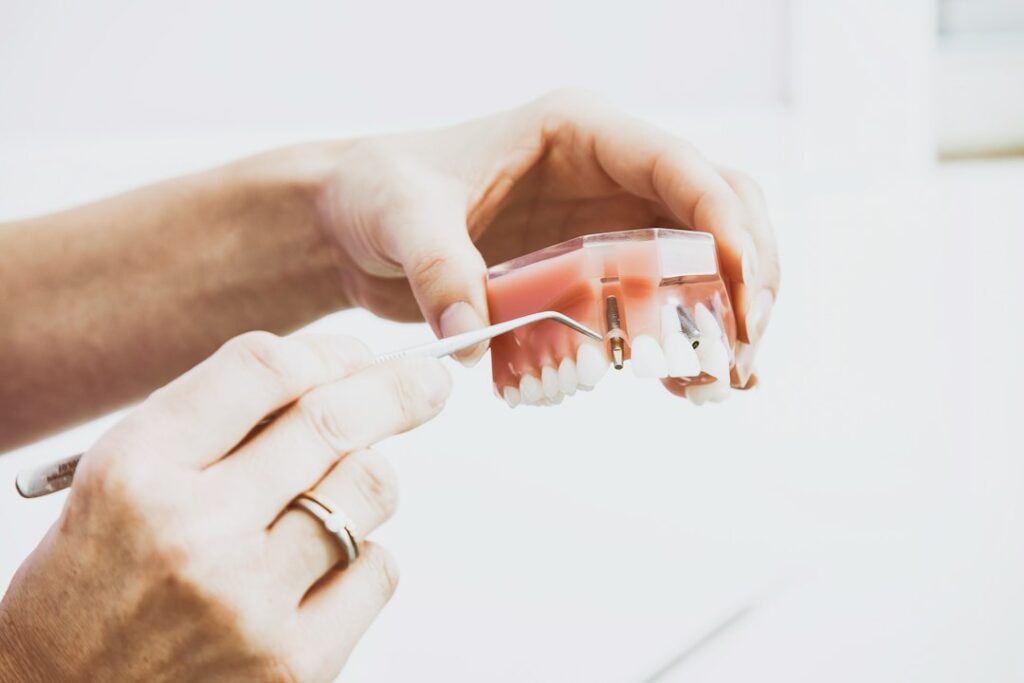
Dental implants may be a suitable option for adults who have one or more missing teeth and want a stable replacement that functions more like a natural tooth. The strongest candidates typically have healthy or treatable gums, enough jawbone to support an implant, and general health that allows normal healing.
A dental implant is a small post placed in the jawbone. After the bone bonds with the implant, a replacement tooth, bridge, or denture can be attached. Candidacy is not determined by age alone. Oral health, medical history, daily habits, and the condition of the jaw all matter.
Do you have one or more missing teeth?
A missing tooth is the most obvious reason to consider an implant. Implants can replace:
- A single tooth
- Several teeth with an implant-supported bridge
- Many or all teeth with an implant-supported denture
Replacing a missing tooth may help with chewing, speech, and bite balance. It can also help limit the gradual loss of bone that commonly occurs after a tooth is removed. Not every missing tooth needs to be replaced with an implant, but an implant may be considered when preserving neighboring teeth is a priority.
People who have worn dentures for years may also explore implants if their dentures move during eating or speaking. Implant-supported dentures are different from traditional dentures because the implants help provide anchorage.
Are your gums reasonably healthy?
Healthy gum tissue is an important foundation for implant treatment. Active gum disease can cause inflammation and bone loss around natural teeth, and similar inflammation can affect tissues around an implant.
Signs that gum disease may need attention first include:
- Bleeding during brushing or flossing
- Persistent gum swelling or tenderness
- Receding gums
- Loose teeth
- Ongoing bad breath or a bad taste
- Pus near the gumline
A history of gum disease does not automatically rule out implants. It does mean that the condition generally needs to be controlled and long-term maintenance must be taken seriously.
Do you have enough jawbone, or could it be rebuilt?
Dental implants need adequate bone volume and density for support. After a tooth is lost, the surrounding bone can gradually shrink. The longer a tooth has been missing, the more likely it is that the available bone will need careful evaluation.
A dental examination may include three-dimensional imaging to assess:
- Bone height and width
- The location of nerves and sinuses
- The position of nearby teeth
- Previous infection or bone damage
- Whether bone grafting may be needed
Limited bone does not always end the discussion. In some cases, bone grafting or another preparatory procedure can create a better foundation. That can add healing time and additional treatment steps, so it is part of the planning process rather than an automatic sign of failure.
Is your general health stable enough for healing?
Implant surgery requires the body to heal bone and soft tissue. Conditions that interfere with circulation, immunity, or wound healing may affect the timing and predictability of treatment.
Well-controlled diabetes does not necessarily prevent implant treatment. Uncontrolled blood sugar, however, can make healing more difficult and increase the risk of infection. Other medical factors that may require special planning include:
- A weakened immune system
- Certain cancer treatments
- Previous radiation involving the jaw
- Bleeding disorders
- Medications that affect bone metabolism
- Severe or poorly controlled chronic illness
A complete medical history is important, including prescription medicines, supplements, past surgeries, and treatments received in the head or neck. Medical conditions should not be stopped or changed without guidance from the prescribing clinician.
Are you willing to protect the implant over time?

Implants are not maintenance-free. They require regular brushing, cleaning between teeth, and periodic evaluations. The replacement crown or denture also needs care because bacteria can accumulate around the gumline and implant components.
People who are prepared to maintain their oral health may be better candidates than those who are unable or unwilling to follow a daily cleaning routine. This is especially relevant for residents managing busy work schedules, outdoor activities, seasonal travel, or changing household routines in the local community.
An implant can be strong, but it is still surrounded by living gum and bone. Poor cleaning can contribute to inflammation, bone loss, and implant complications.
Do you use tobacco or nicotine?
Smoking and other forms of tobacco can reduce blood flow, interfere with healing, and increase the risk of complications around an implant. Heavy tobacco use is a significant concern, but even occasional use should be discussed honestly during treatment planning.
Nicotine products may also affect healing, and the risks can vary by product and frequency of use. A temporary pause or a longer-term reduction may improve healing prospects, but the appropriate plan depends on the individual situation.
Tobacco use does not always mean implants are impossible. It does mean that the risks, timing, and expected maintenance should be addressed before treatment begins.
Are you finished growing?
Implants are generally considered after jaw growth is complete. This is one reason implant treatment is usually planned for adults rather than children or younger teenagers. The exact timing depends on physical development, the location of the missing tooth, and the reason the tooth was lost.
For younger people, a temporary replacement may be used while the jaw continues to develop.
Are you prepared for a process that may take several months?
Implant treatment is not always completed in one visit. Depending on the condition of the tooth site, the process may involve tooth removal, healing, bone grafting, implant placement, additional healing, and attachment of the final replacement tooth.
Some patients receive a temporary tooth during healing. Others may qualify for a more immediate restoration. The timeline depends on bone stability, infection, gum health, medical history, and the number of teeth being replaced.
Residents in Blacksburg may also want to account for transportation, work or school schedules, and winter weather when planning multiple treatment stages. A short procedure can still require several follow-up visits and temporary changes in diet or activity.
What does not automatically disqualify someone?
Several common concerns are not automatic barriers:
- Older age by itself
- Having worn dentures
- Having diabetes that is well controlled
- Having experienced bone loss, if reconstruction is possible
- Having a past history of gum disease that is now controlled
- Replacing a tooth that has been missing for many years
The decision depends on the combination of factors, not a single diagnosis or age number.
How is candidacy actually determined?
Candidacy is determined through an examination, imaging, health-history review, and discussion of treatment goals. The evaluation should consider both the implant site and the conditions that affect long-term maintenance.
A person may be a good candidate if they have a missing tooth, manageable gum health, adequate or restorable bone, stable general health, and the ability to maintain careful oral hygiene. Someone who is not ready immediately may still become a candidate after treating gum disease, improving blood sugar control, stopping tobacco use, or allowing an extraction site to heal.
The most useful question is not simply, “Can an implant be placed?” It is whether an implant can be placed safely and maintained in a way that fits the person’s health, habits, expectations, and daily life.