

 See My Latest Article on HelloNation
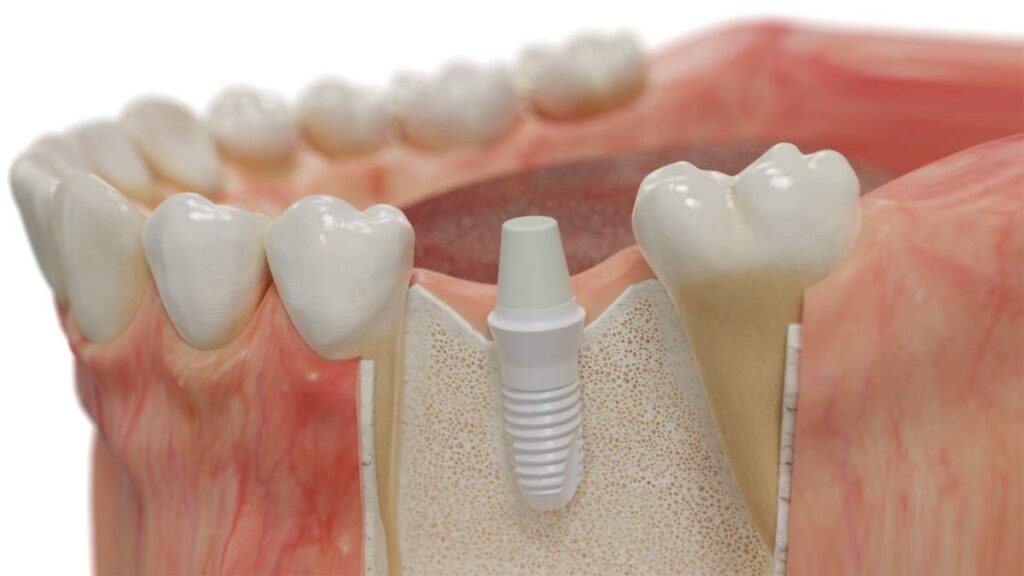
A missing tooth may seem like a small, isolated problem, especially if it is toward the back of the mouth or does not cause pain. But leaving the space unaddressed can gradually affect chewing, speech, nearby teeth, gum health, and the bone that once supported the tooth.
For residents in Blacksburg, understanding these changes can make it easier to recognize when tooth loss deserves attention rather than simply adapting around it.
Can a missing tooth cause other teeth to shift?
Yes. Neighboring teeth may gradually lean, rotate, or move into the open space. The tooth above or below the gap can also move farther out of its normal position because it no longer meets an opposing tooth during biting.
This movement may create new spaces where food collects. It can also make brushing and flossing more difficult, increasing the risk of cavities and gum inflammation around the displaced teeth.
Changes may happen slowly, so a person may not notice them until the bite feels different or food begins getting trapped. A missing back tooth can be particularly easy to ignore, even though molars play a major role in breaking down food and maintaining balanced chewing forces.
Why does bone shrink after tooth loss?
The jawbone is partly maintained by the pressure and stimulation created when a tooth is used. After the tooth is removed or lost, that stimulation decreases, and the bone in the area may gradually resorb, or become thinner.
Bone changes are often most active during the early healing period, although remodeling can continue over time. The amount varies based on factors such as gum disease, infection, trauma, smoking, overall health, and the location of the missing tooth.
Bone loss does not always cause symptoms. However, it may affect the appearance of the gumline, the stability of nearby teeth, and the available support for a future replacement. It can also change how a removable appliance fits.
How can missing teeth affect chewing and nutrition?
A single missing tooth does not automatically cause poor nutrition. Many people compensate successfully, particularly when the remaining teeth are healthy. Problems become more likely when several teeth are missing, when molars are absent, or when chewing is painful.
People may begin avoiding foods that require more chewing, such as raw vegetables, fresh fruit, nuts, whole grains, or firm proteins. Some choose softer foods that are easier to eat but may provide less fiber or nutritional variety.
In Blacksburg, seasonal routines can make this easy to overlook. During colder months, people may rely more heavily on soups, soft casseroles, or convenient meals and assume that changes in chewing are temporary. If difficulty chewing continues into warmer seasons or affects social meals, it deserves closer attention.
Signs that tooth loss may be affecting eating include:
- Taking much longer to finish meals
- Chewing only on one side
- Avoiding certain foods
- Choking or swallowing food without chewing thoroughly
- Losing weight without intending to
- Feeling tired or frustrated during meals
These symptoms can have causes other than tooth loss, so they should be evaluated in context.
Can a missing tooth change speech or facial appearance?
It can. Teeth help control airflow and the position of the tongue during speech. Missing front teeth may affect certain sounds, while several missing teeth can change clarity more noticeably.
Tooth loss may also affect the support provided to the lips and cheeks. With extensive tooth loss, changes in the jawbone and bite can alter facial proportions over time. These changes are not simply cosmetic; they may occur alongside reduced chewing efficiency and difficulty keeping removable teeth stable.
Is it better to replace every missing tooth?
Not necessarily. Treatment depends on the location of the missing tooth, the health of the remaining teeth and gums, the bite, bone volume, medical history, personal preferences, and budget.
Common approaches include:
- A dental bridge: An artificial tooth supported by adjacent teeth or, in some cases, implants.
- A removable partial denture: A removable appliance that replaces several missing teeth.
- A complete denture: Used when all teeth in an arch are missing.
- A dental implant restoration: An implant-supported crown, bridge, or denture designed to replace the visible tooth and provide support within the jaw.
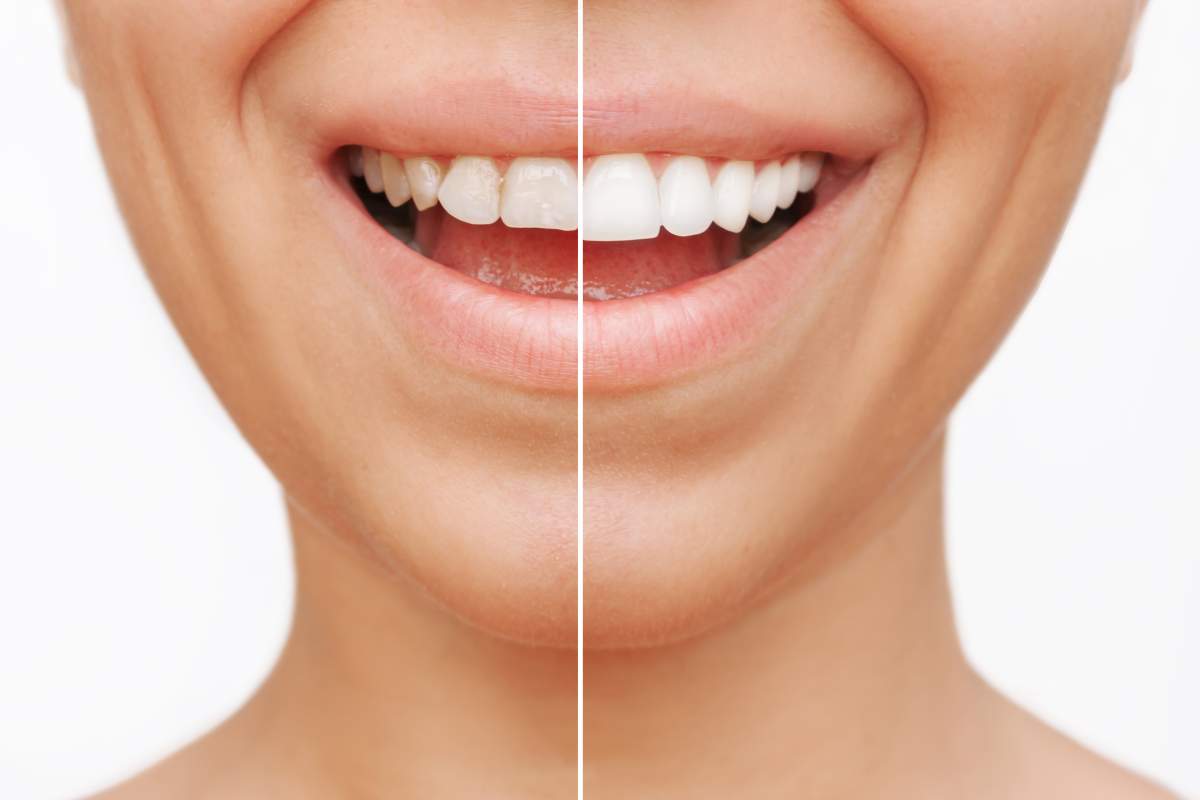
No single option is right for everyone. Replacing a tooth also does not remove the need for brushing, cleaning between teeth, and regular monitoring. A replacement can restore function, but it still requires maintenance.
Do dental implants prevent all problems caused by tooth loss?
No. Implants can help replace the function of a missing tooth and may help preserve bone in the area because they transfer chewing forces into the jaw. However, they are not natural teeth and can develop complications if the surrounding tissues are not kept healthy.
Implant treatment may involve several stages, including an examination, imaging, treatment planning, placement, healing, and restoration. Bone quality, gum health, medication use, smoking, diabetes control, and oral hygiene can all influence the process.
A person considering an implant also needs to understand that untreated gum disease or active decay in other areas should not be ignored. A stable, healthy mouth provides a better foundation for any type of tooth replacement.
What should happen after a tooth is lost?
A lost tooth should be assessed even if there is no pain. The underlying cause matters. Tooth loss may result from decay, gum disease, injury, a cracked tooth, infection, or a condition affecting the bone.
Prompt evaluation is especially important when tooth loss is accompanied by:
- Swelling, drainage, or a bad taste
- Persistent bleeding
- Fever or facial swelling
- Numbness
- Difficulty opening the mouth
- Pain that worsens rather than improves
- A loose neighboring tooth
- A wound that does not appear to heal
These signs may indicate infection or another problem requiring timely care. Severe swelling, trouble breathing, or difficulty swallowing warrants urgent medical attention.
What can residents do while deciding on replacement?
The remaining teeth deserve careful protection. Brush twice daily with fluoride toothpaste, clean between teeth, and avoid using the gap as a place to chew hard objects such as ice or pens. If a temporary appliance is provided, follow cleaning and wearing instructions closely.
People who postpone replacement should still monitor changes in chewing, speech, bite, gum shape, and neighboring tooth position. Keeping a simple record of these changes can be useful, particularly if seasonal schedules, travel, or winter weather in the area makes routine care harder to coordinate.
A missing tooth may not require immediate replacement in every case, but it should not be treated as irrelevant. Understanding the cause, watching for changes, and considering how the gap affects function can help protect the rest of the mouth over time.