
 See My Latest Article on HelloNation
What Is a Dental Implant Procedure?
A dental implant procedure is a multi-step approach to replace missing teeth with artificial roots and crowns that look and function much like natural teeth. People in Blacksburg, VA sometimes wonder how the process works, how long it takes, and what it actually feels like. While techniques and healing times can vary, the overall process is similar for most healthy adults.
How Does the Evaluation and Planning Work?
Before the procedure gets underway, a dental team will review your medical and dental history, examine your mouth, and take digital X-rays or 3D scans. This assessment answers some critical questions:
- Is your jawbone dense enough to support an implant?
- Are your gums and neighboring teeth healthy enough for surgery?
- Do you have any chronic health conditions that could affect healing?
Blacksburg residents may sometimes need preparatory procedures, such as a bone graft, if jawbone volume is insufficient. This step ensures that the area can support the implant securely and safely.
What Happens During Dental Implant Placement?
Surgically placing the implant itself is done in a dental office setting, usually under local anesthesia. For most people, pain is well-controlled and the experience is less stressful than anticipated. Here’s what happens:
- A small incision is made in the gum to access the jawbone.
- A hole is drilled exactly where the implant (a titanium screw) will go.
- The implant post is gently inserted.
- The gums are then closed around the post, allowing healing to begin.
While the idea of drilling may sound intimidating, many local residents report less discomfort during this stage than they expected. Mild swelling or soreness is normal for a few days after placement, often manageable with over-the-counter pain medication and careful home care.
How Long Is the Healing and Recovery Period?
After the implant is placed, it needs several months to heal and fuse with the jawbone in a process called osseointegration. This phase is crucial for long-term stability. Typical healing times range from 3 to 6 months, and most daily routines can be resumed shortly after the initial procedure.
Common experiences during healing in the Blacksburg area:
- Some mild swelling or bruising is normal in the first week.
- Soft foods are usually recommended during initial recovery.
- Good oral hygiene helps prevent any infection, even when the weather is cold and dry.
- Detailed instructions for care are typically provided.
Most residents can continue with work, classes, or family life after a brief rest period—making the process less disruptive than many expect.
When Is the Final Tooth Placed?
Once the implant is securely integrated with the bone, the next steps involve:
- Placing a small connector (abutment) on top of the implant.
- Taking digital impressions or molds so that a crown (the visible tooth) can be custom-made.
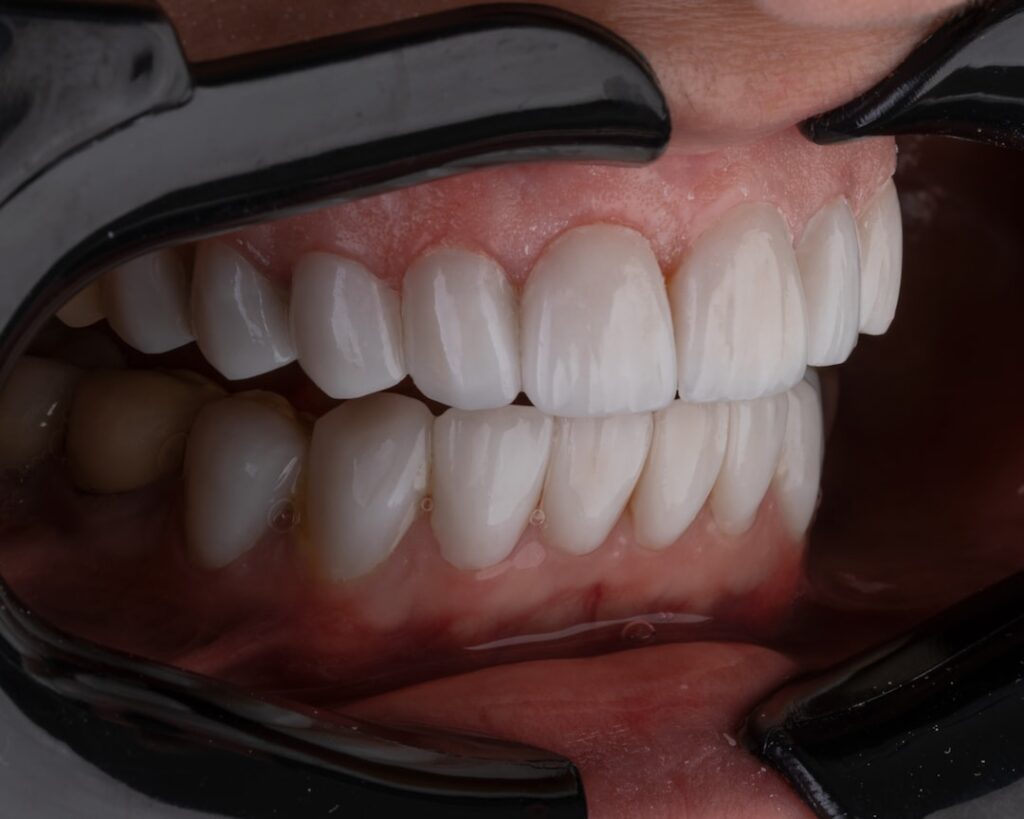
The new crown is then attached to the abutment, completing the restoration. Local patients are often surprised by how natural the final result looks and feels. Unlike removable dentures, this tooth is fixed in place and doesn’t shift or require adhesives.
What Should Residents Know About Pain, Risks, and Expectations?

People sometimes assume the procedure will be painful or risky, but the majority report only mild discomfort, similar to routine dental work. Short-term swelling, minor bleeding, or bruising can occur, especially during the winter months when outdoor temperature changes may affect circulation and comfort.
Rare risks can include infection, nerve sensitivity, or problems with the implant bonding to bone. Smokers, or those with certain medical conditions, can face higher risks and need careful assessment before proceeding.
What About Aftercare and Ongoing Maintenance?
Dental implants need regular care to stay healthy. The basic guidelines are:
- Brush and floss daily, paying extra attention to the gumline around the implant.
- Attend routine dental checkups to monitor bone health and placement.
- Avoid chewing very hard items, especially during outdoor gatherings or sporting events in the city, until fully healed.
Well-maintained implants can last for many years, offering reliable and convenient function for a variety of diets, from seasonal local produce to classic home-cooked meals.
Are There Local Considerations for Residents Thinking About Implants?
Some area households wonder if climate or lifestyle in Blacksburg affects healing or comfort. In general, the city’s moderate humidity and seasonal changes do not limit most adults from healing properly. However:
- During pollen-heavy periods in spring, it’s wise to keep the mouth extra clean to avoid gum irritation.
- During winter, staying hydrated and using a humidifier at night can help prevent dry mouth, supporting better healing.
- Blacksburg’s active outdoor community might want to avoid high-contact sports during initial recovery to protect the healing area.
What Are Common Misconceptions or Overlooked Factors?
Some local residents believe implants are only for older adults or those who have lost all their teeth, but younger adults with a single missing tooth also benefit. Others think the process takes a full year; in most healthy cases, it’s completed in less than six months.
Cost and insurance coverage may be a concern, but options are available to review with your provider directly, keeping in mind regional differences in coverage and reimbursement.
Who Is Not a Good Candidate for Dental Implants?
Not everyone is eligible. Medical conditions that impair healing, ongoing untreated gum disease, or insufficient bone even after grafting may limit options. Those on certain medications or with uncontrolled diabetes may need to address these health issues first. Proper screening is always part of the initial evaluation to keep outcomes safe and successful for residents.