

 See My Latest Article on HelloNation
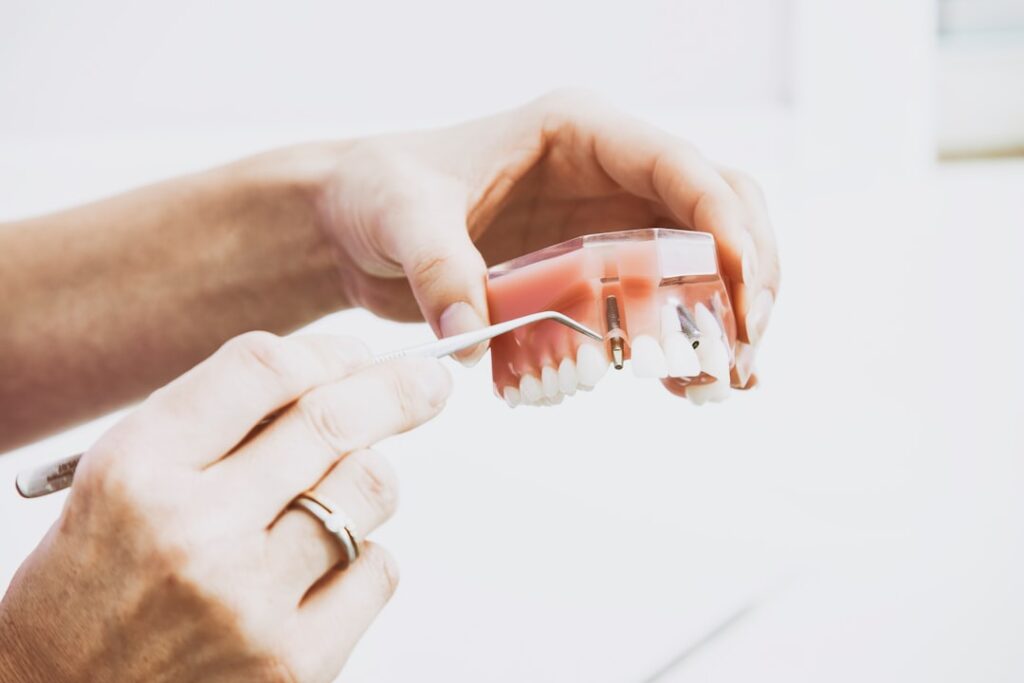
How Much Do Dental Implants Cost in Blacksburg, VA?
The cost of dental implants in Blacksburg can vary widely, with many local residents wondering what to expect. In most cases, a single tooth implant—including the implant, abutment, and crown—ranges from $3,000 to $5,000 per tooth. More complex cases, such as replacing multiple teeth or requiring additional procedures, may fall above or below this range. Dental insurance sometimes helps with certain parts of the procedure but often does not cover the entire cost.
Here’s why prices are not one-size-fits-all for area households:
- Every implant procedure is customized, and local providers set fees based on materials, expertise, and case complexity
- Costs tend to be in line with similar mid-sized communities, but some regional fee adjustments may exist due to the cost of living and overhead in the city
What Factors Influence the Total Cost?
Several practical and clinical triggers affect the overall investment in dental implants:
1. Complexity of the Case
Basic implant placement for a healthy jaw is more affordable than cases requiring repairs, multiple implants, or bone grafting. If the jawbone is thin or weakened—a possibility seen in older homes where dental neglect was common—grafting or sinus lifts may be necessary, increasing the total bill.
2. Diagnostic and Planning Appointments
The full process includes x-rays, 3D scans, treatment planning, and surgical guides, all of which come with separate fees. While these may seem minor, they ensure safe and predictable results.
3. Materials Used
Implant fixtures and crowns are crafted from high-grade materials, typically titanium and ceramic. The price varies with the quality and type selected, with some cases requiring custom solutions for optimal fit and aesthetics.
4. Dentist and Laboratory Expertise
Costs reflect provider training, local reputation, and the dental lab’s skill. Clinics using advanced technology or specialists may charge more, reflecting their investment in reliable results.
5. Supportive Treatments
If existing teeth extraction, infection treatment, or gum therapy is needed before implant placement, these steps add to the final amount.
Is the Entire Cost Paid Upfront?
Most dental implant treatments are staged over several months. Charges are applied at each treatment phase:
- Initial evaluation and imaging
- Surgical placement of the implant post
- Healing and follow-up visits
- Placement of the final crown
This split process gives area residents some flexibility in budgeting, and local practices often allow for payment across phases.
How Do Dental Implants Compare to Other Tooth Replacement Options?
Implants generally have a higher initial price than alternatives like bridges or removable dentures, which can cost half or less per tooth. However, dental implants offer distinct advantages:
- They function and feel most like natural teeth
- They can prevent bone loss in the jaw, preserving facial structure
- With proper care, they often last decades, reducing the need for repeat spending on replacements
Local residents sometimes mistakenly view implants as just a cosmetic option, but the lasting benefits are functional and health-related as well.
Are There Hidden or Ongoing Costs?
After treatment, ongoing maintenance costs are usually low—limited to regular dental checkups and good home care. Occasionally, implant crowns need replacement after 10-20 years due to normal wear. If gum disease or injury affects an implant’s stability, restorative costs could arise, but this risk is similar for natural teeth.
A common misconception in the city is that dental implant fees include all future care. In reality, routine oral hygiene remains essential to avoid additional expenses.
Does Insurance Help Cover Dental Implants?
Most dental insurance plans offer minimal coverage for implants, typically only paying for preliminary treatments (such as extractions or scans) or a portion of the final crown. Medical insurance might contribute in rare cases with severe oral trauma or reconstructive need, but this is the exception rather than the rule.

Many local households find it helpful to:
- Review dental and medical insurance details carefully
- Ask providers for assistance clarifying what’s covered before treatment begins
Why Do Prices Seem Higher Than Expected?
The technology, materials, and years of training behind implant dentistry contribute to the cost. For the Blacksburg community, it’s also worth noting:
- The region’s high standards for healthcare and credentialing affect provider fees
- Regulation compliance, staff wages, and sterilization in a clinical setting add unseen expenses
- Laboratories creating custom dental restorations must use biocompatible, durable materials
Costs are a reflection of how much work is happening behind the scenes, and not just the implant procedure itself.
What Are Some Ways Residents Manage Dental Implant Costs?
Blacksburg households utilize several neutral, practical strategies:
- Comparing comprehensive treatment plans—not just base implant prices—to understand the full investment
- Setting aside funds in health savings accounts (HSAs) or flexible spending accounts (FSAs)
- Researching third-party financing for predictable monthly costs if available
When Might Additional Costs Arise?
In more complex needs—such as replacing multiple teeth after long-term absence, or if the jawbone has shrunk over time—other procedures like bone grafting, sinus lifts, or temporary dentures may be needed. These steps are tailored to the individual, so area residents benefit from personalized assessments to accurately estimate their own costs.