

 See My Latest Article on HelloNation
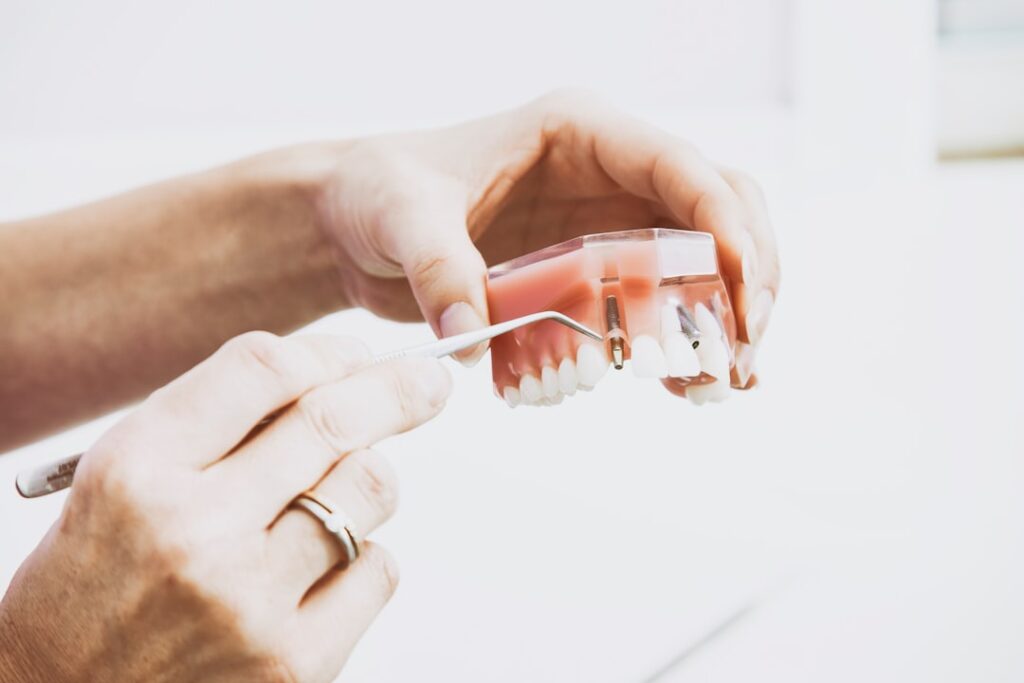
What Are Dental Implants and Dentures?
Dental implants and dentures are both common solutions for replacing missing teeth, but they differ significantly in design, function, and daily impact. Dental implants are artificial roots, usually made of titanium, that are surgically inserted into the jawbone and topped with a fixed crown, bridge, or denture. Dentures, on the other hand, are removable appliances that sit on the gums and can replace some or all teeth in an arch.
Many area residents wonder which works better for daily life, and each option comes with unique considerations related to comfort, appearance, bone health, and long-term maintenance.
Why Might Local Residents Need Tooth Replacement?
Missing teeth arise for diverse reasons—accidents, gum disease, tooth decay, or age-related wear. In the Blacksburg area, active lifestyles, seasonal sports, and even farming can contribute to dental injuries. Cold winters may increase fracture risk for older residents as teeth become more brittle over time. Local diet, access to water, and fluoridation are also factors in oral health that can influence tooth loss patterns in the community.
Restoring missing teeth matters for meals, speech, facial appearance, and overall confidence. Exploring tooth replacement options is a routine part of dental care for adults in the city and surrounding areas.
Which Feels More Like Natural Teeth?
Dental implants come closest to mimicking the look, feel, and function of natural teeth because they're anchored directly in the bone. This means the force of biting and chewing transfers through the jaw, similar to real teeth. Most people find they forget their implants after a short period of adaptation.
Removable dentures, while designed to resemble natural teeth, rest on top of the gums. Upper dentures cover the roof of the mouth, which can create a different sensation, while lower dentures may feel less stable. Some users report occasional shifting or pressure points, especially when eating tougher foods.
For those who prioritize a natural feel and the ability to eat a wider range of foods confidently, implants tend to offer an experience that feels less artificial day-to-day.
How Do Costs Compare Over Time?
Initial costs for dental implants are higher than for dentures because implants involve surgical procedures and custom restorations. However, this upfront investment can often be balanced out over many years.
Dentures tend to cost less at first but may require periodic relining or replacement due to changes in gum and bone shape. Losing or damaging a denture can also lead to additional expenses. In contrast, well-cared-for implants may last for decades and typically need only minor crown or bridge repairs if damage occurs.
Local insurance plans and dental coverage may affect out-of-pocket expenses. Blacksburg residents with certain dental benefits or savings plans might find cost differences less pronounced over ten years than they first appear.
Are There Health Considerations Unique to the Local Area?
The hilly terrain and climate of Blacksburg mean that many residents are physically active and may rely on strong, comfortable teeth for hiking, cycling, or seasonal chores. Durable, fixed solutions like implants can provide peace of mind for those who worry about a denture coming loose during outdoor activities.
Additionally, the city’s mix of students, families, and retirees means a wide variety of health backgrounds. Chronic conditions like osteoporosis, common in older adults, can affect jawbone health and may influence whether someone is a good candidate for implants. Medication use, tobacco habits, and even local water quality can all factor into oral health discussions.
What Is the Maintenance Like for Each Option?
Dental implants require daily brushing, flossing, and regular dental cleanings—essentially the same care as natural teeth. Special brushes or floss may be recommended, especially where implants connect to crowns or bridges.
Dentures need to be removed and cleaned daily, and should not be worn overnight to allow gums to rest and reduce infection risk. Care involves brushing the appliance and soaking it to keep it fresh. Dentures may need professional adjustments over time as the shape of the jaws evolves.
Area households might find dentures convenient for routine cleaning but sometimes inconvenient when dropped or misplaced—an event that can happen easily during busy mornings or travel.
Is Surgery Required for Implants?
Yes, implants involve a minor surgical procedure, typically performed with local anesthesia on an outpatient basis. Good overall and oral health, as well as sufficient bone in the jaw, are necessary for successful healing. Some advanced techniques allow for implants even when bone loss has occurred, but this requires additional procedures such as grafting.
Dentures, on the other hand, generally do not require surgery unless remaining teeth must be removed. This can be an appealing choice for those who prefer to avoid surgical interventions.

For some residents who have medical conditions that make healing more difficult, or those who take medications that affect bone health, dentures may represent a safer and faster solution.
How Do Eating and Speaking Differ with Each Option?
Implants enable individuals to bite and chew with nearly the same force and technique as natural teeth. Foods that are crunchy, chewy, or tough—such as apples, corn on the cob, or local barbecue—can usually be eaten without embarrassment or difficulty.
Traditional dentures, especially lower ones, can sometimes move when biting or speaking, which might require practice or the use of adhesives to feel secure. Soft diets or careful food choices become routine for some denture users.
For those who value eating a typical local diet without avoidance or compromise, implants usually offer the greater sense of normalcy.
What About Appearance and Confidence?
Both options can significantly improve appearance compared to missing teeth. Implants are designed to be nearly indistinguishable from real teeth, supporting the lips and cheeks in a natural way.
Dentures, particularly modern custom types, can also achieve a natural look, but may not prevent the gradual shrinking of the jawbone over time, sometimes leading to a change in facial shape, especially for long-term, full-denture wearers.
Local residents who value a youthful or consistent appearance, especially those who are active in sports, teaching, or community-facing professions, might prefer the subtlety of implants, but well-made dentures can still deliver quality results.
How Do You Decide Which Is Right for You?
There is no single answer for every individual or household. Factors such as age, health conditions, lifestyle, budget, and personal priorities all influence the best choice.
- Those seeking a fixed, reliable, and natural-feeling replacement often favor implants, provided they are healthy enough for minor surgery.
- People desiring a less expensive or non-surgical solution may choose dentures, especially if tooth loss is widespread.
Residents sometimes use temporary dentures as a stepping stone before pursuing implants once healing is complete or budgets allow. Open discussions with dental professionals who understand local conditions, individual health needs, and personal priorities are important in making an informed choice.